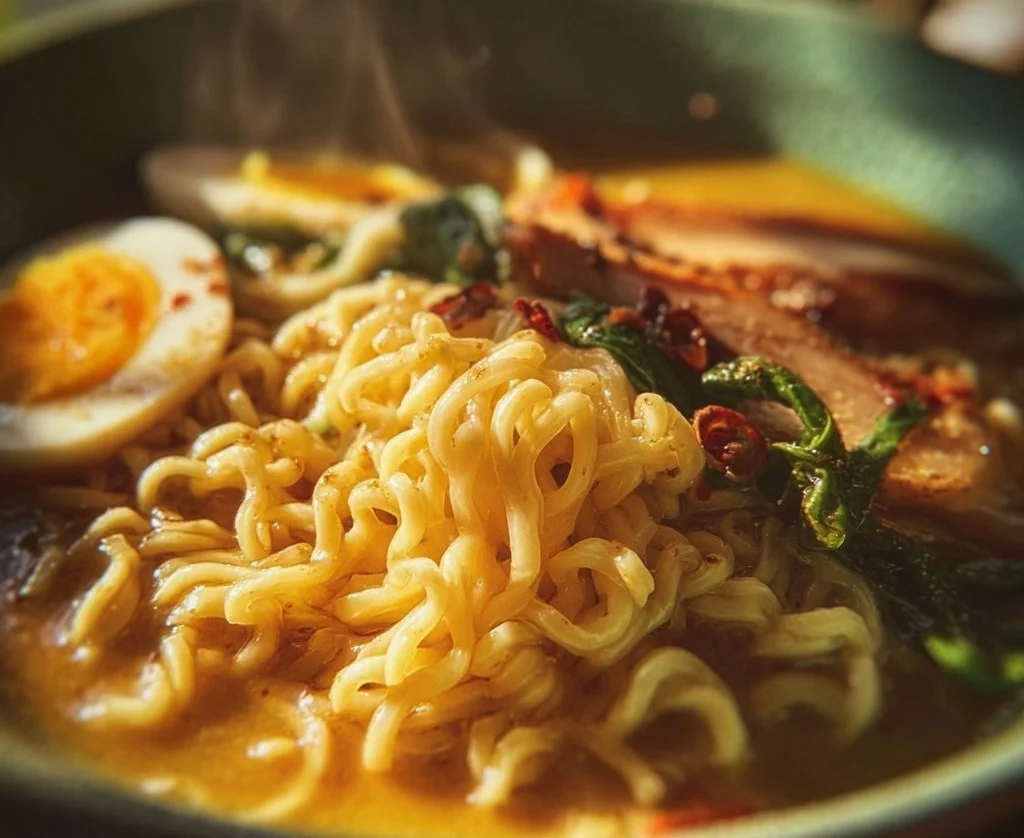
In a world where dietary preferences and restrictions are becoming more common, finding a delicious meal that accommodates these needs is essential. Gluten-free ramen noodles offer a delightful option for those avoiding gluten while still relishing the comforting flavors of traditional Asian cuisine. Perfectly chewy and full of zest, this gluten-free rendition promises to keep you satisfied without compromising on taste or texture. With vibrant vegetables, succulent chicken, and rich broth, every spoonful is a blend of warmth and nourishment that you and your loved ones will appreciate.
Why We Love This Gluten Free Ramen Noodles Recipe
This gluten-free ramen recipe is not only flexible but also incredibly satisfying. Firstly, it utilizes easily accessible ingredients, making it perfect for both cooking novices and culinary enthusiasts. The method is streamlined, allowing you to prepare a delightful meal in less than an hour without excessive fuss. This dish beautifully balances protein, fiber, and healthy fats while being naturally rich in flavors. As you slurp those noodles, you’ll find comfort in knowing that you have created something wholesome and nourishing for yourself or your family.
Ingredients about Gluten Free Ramen Noodles
- 1 Tbsp sesame oil
- 1 lb chicken thigh
- 1 tsp paprika
- ½ tsp cayenne pepper
- ¼ cup water
- 4 cloves garlic (minced)
- 1 Tbsp ginger (grated)
- 1 Tbsp coconut aminos
- 10 oz shiitake mushrooms (washed and sliced)
- 6 cups low-sodium broth (chicken broth or any preferred kind)
- 4 gluten-free ramen cakes (brown rice noodles recommended)
- 4 carrots (shredded)
- 3 leaves bok choy (loosely chopped)
- 4 green onions (finely chopped)
- Red pepper flakes (optional)
- 4 soft-boiled eggs (halved, optional)
How to Make Gluten Free Ramen Noodles Directions
Start this culinary journey by preparing your eggs, if you wish to include them as a topping. Boil water in a pot, carefully simmer the eggs for about five minutes, and once done, submerge them in ice water. This quick process ensures a perfectly soft-boiled egg that adds richness to your ramen.
Next, head to your Dutch oven or a heavy-bottomed pot and heat the sesame oil over medium heat. Once it’s shimmering, take your seasoned chicken thighs—dusted with paprika and cayenne—and sauté until they’re beautifully golden brown. This should take around eight to ten minutes in total. Once cooked, remove the chicken from the pot and set it aside.
Now it’s time to create your robust broth. Using the same pot, deglaze it with the quarter cup of water, scraping any flavorful bits stuck to the bottom. Add minced garlic and freshly grated ginger into the mix, letting them sauté until their fragrant aromas fill your kitchen with warmth. Next, introduce the shiitake mushrooms and cook for a minute to allow flavors to meld.
Pour in the low-sodium broth, bringing the mixture to a gentle simmer. Allow this broth to cook for about ten minutes, which will soften the mushrooms and add depth to your dish. With the broth bubbling away, it’s time to introduce your ramen cakes. Follow the instructions on the package, which typically require about two minutes of cooking.
As you stir in the ramen, it’s an excellent moment to fold in the vibrant shredded carrots, chopped bok choy, and finely chopped green onions. After about one minute of heating, all the ingredients will be tender yet still maintain their fresh vibrancy.
When ready to serve, ladle the steaming ramen into bowls. Slice the golden chicken thighs, placing them on top of the noodles. If you prepared your soft-boiled eggs, now is the time to halved them and add them as a luxurious topping. To add an extra kick, a sprinkling of red pepper flakes is optional but highly recommended for that perfect finishing touch.
How to Serve Gluten Free Ramen Noodles
When it comes to serving gluten-free ramen noodles, presentation is key. Use large, deep bowls to help capture the delicious broth and showcase the vibrant ingredients. You can garnish your ramen with additional toppings that cater to personal preferences. Consider adding bean sprouts for an extra crunch or fresh basil to enhance the dish’s aroma.
Encourage your guests or family to customize their bowls further. Whether it’s extra green onions, a dash of chili oil, or a squeeze of lime, providing these options can enhance the dining experience and allow everyone to create their perfect bowl of ramen. Serve your ramen piping hot, ideally immediately after making to experience the delightful textures and flavors at their best.
Expert Tips: Gluten Free Ramen Noodles
To elevate your gluten-free ramen experience, remember a few essential tips. First, ensure your chicken thighs are well-seasoned to boost the overall flavor of the dish. Marinating the chicken for even just thirty minutes in coconut aminos, paprika, and cayenne can enhance the taste significantly.
Next, never skip on deglazing the pot. The flavorful bits stuck to the bottom of the pot after cooking the chicken add depth and richness to your broth. Always strive for a balance of flavors—don’t forget to adjust your seasonings according to your taste preferences, be it more garlic, ginger, or spice.
If you prefer a thicker broth, consider adding a splash of gluten-free soy sauce or a cornstarch slurry (mixing cornstarch with cold water) at the end. This will also add a silky mouthfeel. Additionally, if you’re opting for the soft-boiled egg, make sure to keep an eye on the cooking time to achieve that perfect runny yolk—if you overcook it, the texture will not be as creamy as desired.
Lastly, don’t hesitate to experiment with various toppings and vegetables. Incorporating a mix of seasonally available produce can elevate your ramen and cater to your taste and nutritional needs.
How to Store Gluten Free Ramen Noodles
If you’ve made a larger batch of gluten-free ramen noodles, storing the leftovers correctly ensures you can enjoy them later without compromising their quality. Allow your ramen to cool completely before transferring it to an airtight container. This will help prevent moisture build-up, keeping your noodles and broth in top condition.
For best results, store the noodles and broth separately if possible. This will allow the noodles to remain firm, avoiding mushiness during reheating. You can usually keep them in the refrigerator for up to three days. If you wish to extend their shelf life, you can freeze the broth, which will last up to three months—just remember to reheat it gently after thawing.
When ready to enjoy again, reheat the broth in a pot and cook the noodles separately. This refreshes their texture and taste. Combine them in bowls, adding any fresh vegetables or toppings as needed.
Variation of Gluten Free Ramen Noodles
One of the truly remarkable aspects of ramen noodles is their versatility. If you want to experiment with flavors or adapt to seasonal ingredients, here are some ideas.
For a richer broth, consider adding miso paste during the simmering process. This will give your ramen a uniquely savory flavor. If you’re looking for a vegetarian option, swap the chicken for tofu or edamame for added protein.
You might also decide to try different vegetables based on what’s available. Spinach, snow peas, or bell peppers can add color and crunch. Experiment with different types of mushrooms, like oyster or enoki, to offer a variety of textures and flavors.
If you’re seeking a bit of heat, use a spicy miso or chili oil in your broth for a fiery twist. Moreover, you can play with the types of gluten-free noodles—there are many options available in stores now, such as quinoa noodles or even spiralized zucchini.
Lastly, if you’re adventurous and enjoy seafood, try adding shrimp or scallops to your ramen for a fresh twist that complements the broth beautifully.
FAQ
Are gluten free ramen noodles as tasty as regular noodles?
Absolutely! Gluten-free ramen noodles can be just as flavorful and satisfying as their traditional counterparts. The combination of savory broth and seasonings in this recipe enhances the taste, making sure you won’t miss the gluten.
What is the best gluten-free ramen brand?
While there are various options available, brands like Lotus Foods, King Soba, and Explore Cuisine offer excellent gluten-free ramen choices. These brands provide quality noodles that maintain a delightful texture and flavor in your dishes.
Can I use a different protein in gluten free ramen noodles?
Yes! Feel free to swap out chicken thighs for tofu, turkey, or even seafood like shrimp or scallops. Each option provides a different flavor profile, making the dish versatile and satisfying based on your preferences.
How can I make gluten free ramen noodles vegetarian?
To create a vegetarian version, skip the chicken and instead add tofu, edamame, or chickpeas for protein. Use vegetable broth as your base to keep the soup rich in flavor and nutrients.
How long can I store gluten free ramen noodles?
When stored properly, gluten-free ramen noodles can last in the refrigerator for up to three days. For longer storage, freeze the broth and noodles separately for up to three months. Reheat to enjoy this dish again without compromising quality.
Gluten Free Ramen Noodles
Ingredients
For the broth
- 1 Tbsp sesame oil
- ¼ cup water for deglazing
- 4 cloves garlic (minced)
- 1 Tbsp ginger (grated)
- 10 oz shiitake mushrooms (washed and sliced)
- 6 cups low-sodium broth (chicken or any preferred)
Main ingredients
- 1 lb chicken thigh seasoned with paprika and cayenne
- 1 tsp paprika
- ½ tsp cayenne pepper
- 4 gluten-free ramen cakes brown rice noodles recommended
- 4 carrots (shredded)
- 3 leaves bok choy (loosely chopped)
- 4 green onions (finely chopped)
- Red pepper flakes (optional)
- 4 soft-boiled eggs (halved, optional)
Instructions
Preparation
- Boil water in a pot and simmer the eggs for about five minutes. Once done, submerge them in ice water.
- In a Dutch oven or heavy-bottomed pot, heat the sesame oil over medium heat.
- Sauté the seasoned chicken thighs until they’re golden brown, about 8-10 minutes, then set aside.
Cooking the broth
- Deglaze the pot with the quarter cup of water, scraping up any flavorful bits.
- Add minced garlic and grated ginger and sauté until fragrant.
- Add shiitake mushrooms and cook for a minute.
- Pour in the low-sodium broth and allow to simmer for about 10 minutes.
- Add ramen cakes and cook according to package instructions, usually around 2 minutes.
- Fold in the shredded carrots, chopped bok choy, and finely chopped green onions and heat for one more minute.
Serving
- Ladle the steaming ramen into bowls, add sliced chicken thighs, and garnish with halved soft-boiled eggs and red pepper flakes if desired.